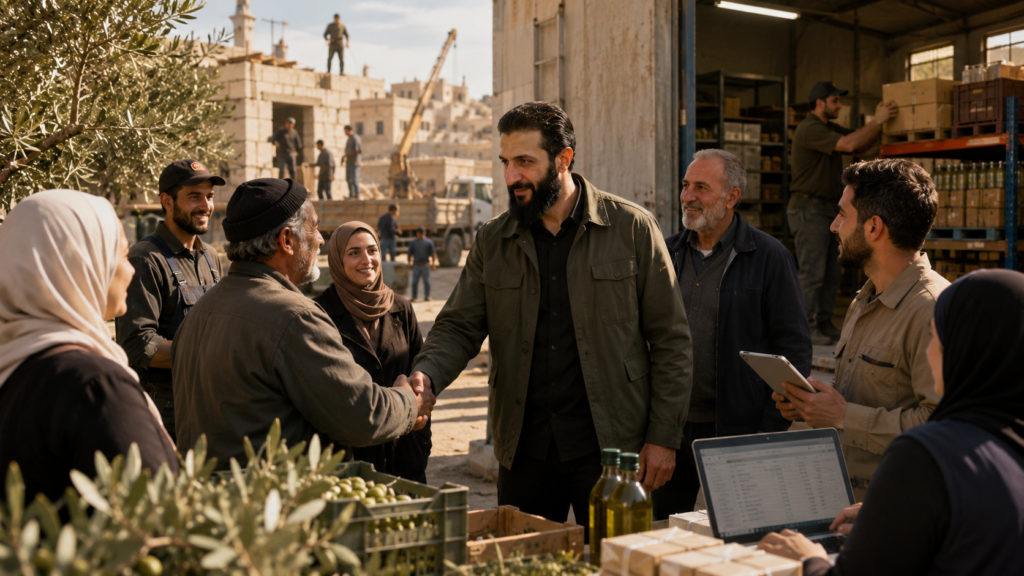
💼 Jobs as a possible alternative to conflict
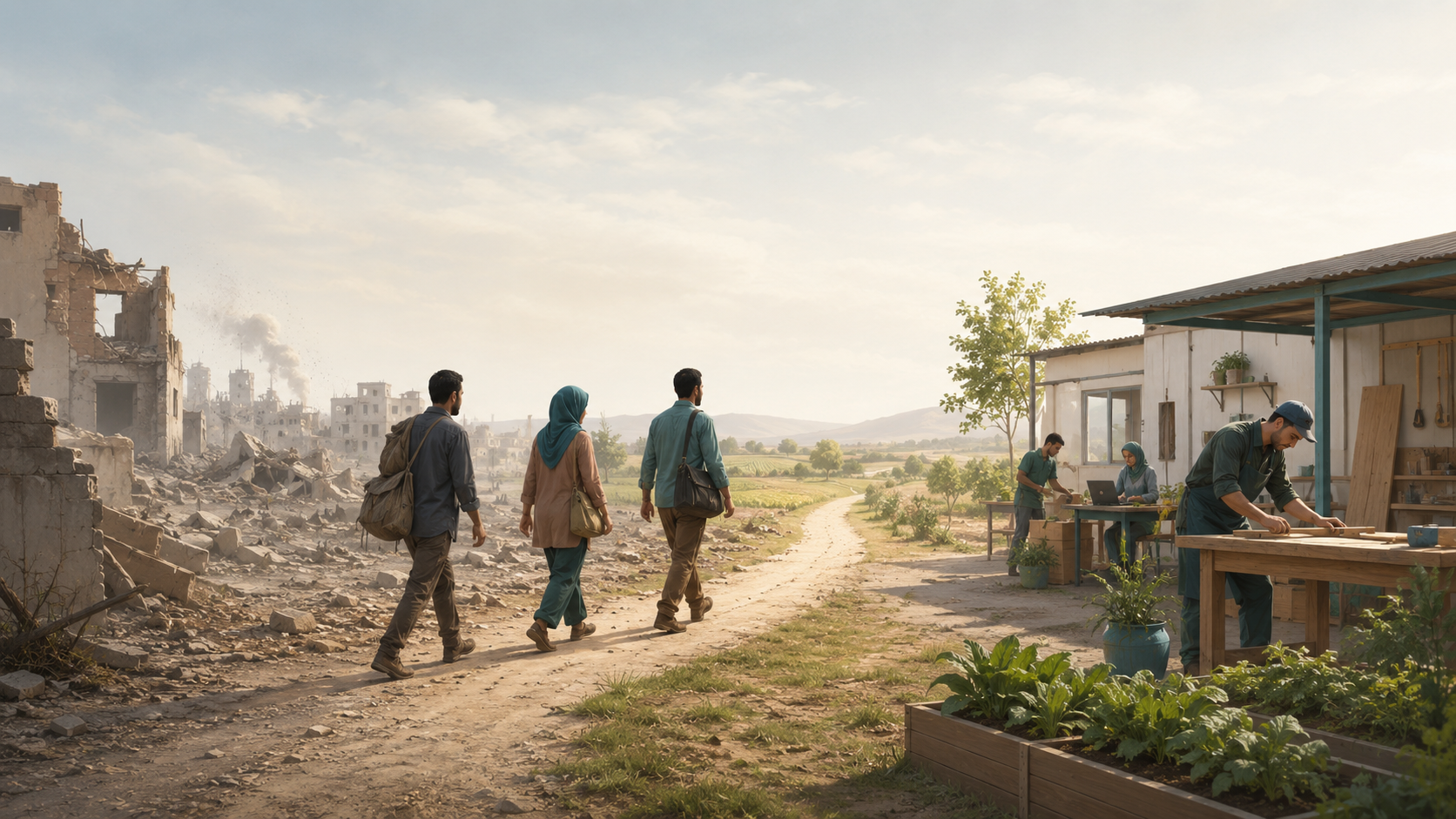
When we discuss the relationship between business and peace, job creation is usually one of the first points that comes to mind. A business that invests in a conflict-affected area can create more than income. It can offer people an alternative to participating in conflict and give them a more stable way to provide for their families.
While working with different groups in the MENA region, I came across the case of a conflict in Sudan where two groups were fighting over agricultural land and the resources that could be produced from it. This made me think about what could happen if a large business invested in such an area and created sustainable employment opportunities.
Maybe some of the people involved in the conflict would start to see that they do not necessarily belong to the war itself, but are being used as troops by more powerful actors. A stable job could provide them with another option, a safer space to rebuild their lives, and perhaps even a reason to leave their weapons behind.
💭 A business operating in a conflict-affected area can create more than income. It can offer people another path.
⚖️ Jobs do not automatically create peace
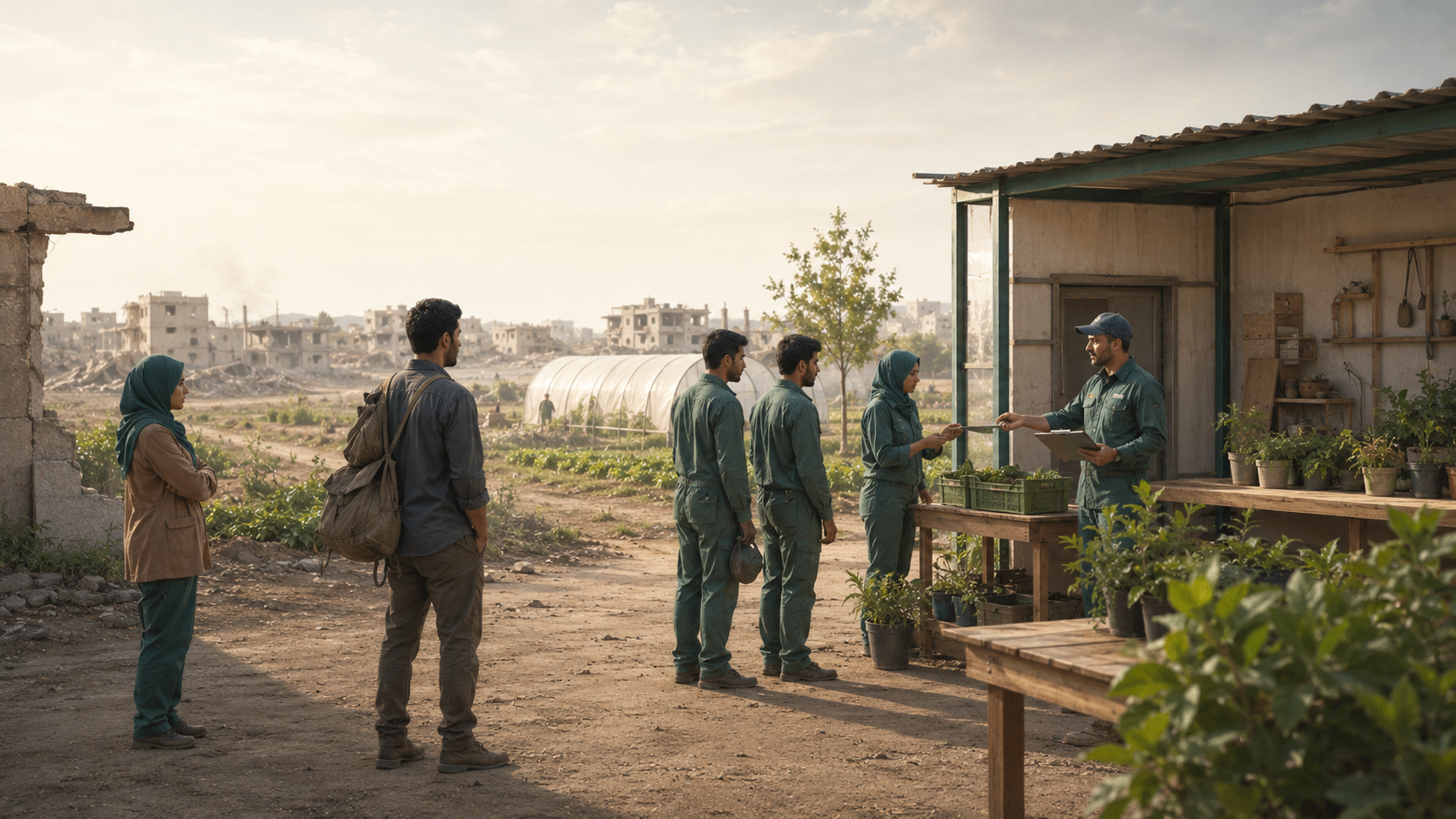
However, the existence of jobs alone does not automatically create peace. The way those jobs are created, distributed, and managed is equally important.
A company could unintentionally deepen tensions if it recruits mainly from one ethnic or political group, takes control of local land or water, pays unfair wages, or cooperates with corrupt authorities and armed actors. In this case, the business may become part of the conflict rather than part of its solution.
Therefore, the peacebuilding value of business depends on whether it operates in a conflict-sensitive, ethical, and locally inclusive way. Job creation can contribute to peace when people from different groups have fair access to opportunities, when local communities benefit from the investment, and when employment provides dignity, stability, and a realistic path toward a better future.
🕊️ Employment can support peace, but only when opportunities are created and distributed fairly.
🌱 Shared value must develop from employment into empowerment

Creating shared value can strengthen this contribution to peace because it allows a business to solve a local challenge while also creating value for its own operations.
The InterContinental Hotel case in Bangladesh provides a useful example. By training local people in hospitality skills and preparing them for employment, the hotel supports the community through education, professional development, and access to income. At the same time, the hotel benefits from having employees who are already trained according to its standards and way of working.
This kind of programme can reduce financial pressure on families, improve the employability of local people, and strengthen the wider hospitality sector, even when some participants later choose to work for other hotels.
However, the programme may also create a different type of inequality when most trainers, supervisors, and managers are brought from abroad, while local employees remain mainly in junior positions. In this situation, local people may receive access to employment without receiving equal access to power, decision-making, or leadership.
Over time, this can create frustration and smaller conflicts inside the workplace, especially when nationality becomes connected to authority and status.
Therefore, employment should gradually develop into empowerment. By creating transparent promotion pathways, transferring knowledge, preparing local employees for management positions, and distributing responsibility more fairly, the business can create a safer and more culturally sensitive working environment.

Shared value becomes more sustainable when local people are not only trained to work within the business, but are also given a realistic opportunity to influence it and eventually lead it.
🤝 Employment gives people access to work. Empowerment gives them the opportunity to influence, develop and lead.
🔎 Coming in Part Two
🕊 Business during conflict
🏗 Business as a contributor to recovery and reconciliation
This discussion does not end with employment and shared value. It also raises two further questions:
How should businesses behave while conflict is still taking place?
What role can they play in rebuilding livelihoods, trust and social relationships after violence decreases?
In the second part, I will explore these questions through case studies from Syria, examining businesses that continued operating during the conflict or returned to work afterward.
Part Two
Business neutrality during conflict
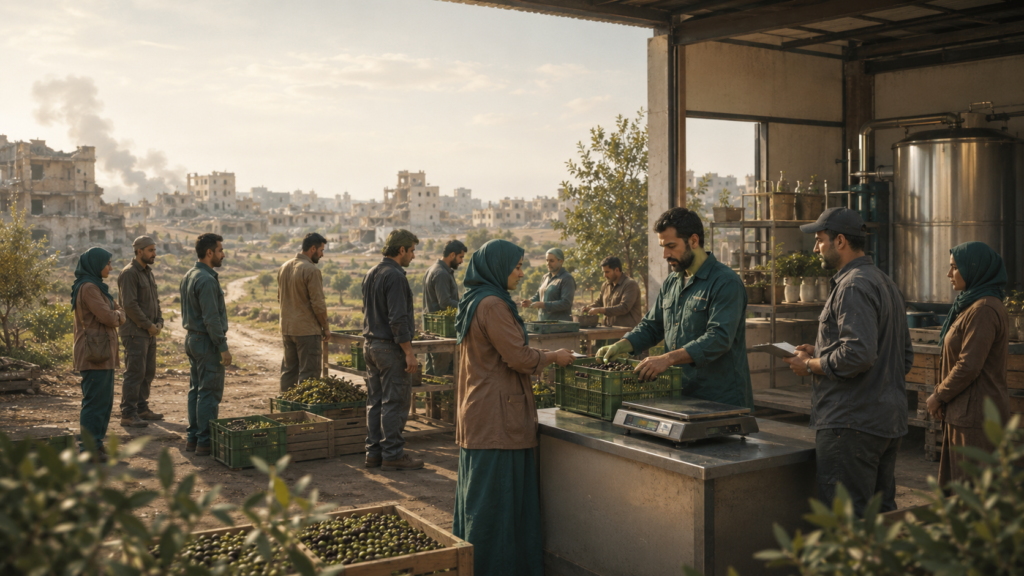
A business operating in a conflict-affected area is influenced not only by economic conditions, but also by changes in political and military power. When control of an area changes, businesses may feel pressure to change whom they employ, promote, serve, or work with.
However, if a company allows every political transition to reshape its employment practices, the divisions of the conflict can easily enter the workplace.
Business neutrality therefore means maintaining fair and consistent standards regardless of which group controls the country or the local area.
Employees should be recruited and promoted according to their skills, experience, and performance, not according to their religion, ethnicity, political affiliation, or connections to those in power.
This question is particularly important in Syria. Under the former regime, many Syrians experienced a system in which access to positions in government institutions, schools, municipalities, and other public facilities could be influenced by sectarian identity and political loyalty.
Moving beyond this system should therefore mean refusing to reproduce the same approach under a different authority. Innocent Syrians should not lose opportunities because of their religion, ethnicity, community, or assumed political background.
Accountability for individuals involved in crimes is necessary, but it should not become collective punishment against an entire group. Every innocent person should continue to be treated as Syrian, regardless of religion, ethnicity, or political background.
Neutrality should also extend beyond employment. A business must consider how it treats customers, suppliers, farmers, and the wider community.
For example, an olive-oil producer operating during conflict should purchase from farmers under the same conditions, protect ownership rights, pay fairly, and avoid allowing armed or politically connected groups to control access to production and distribution.
If a company gives opportunities and resources only to one community, it may reproduce the conflict even while continuing to operate successfully.
But when it maintains fair rules, protects the dignity of its employees, and serves people equally despite political changes, the workplace can become one of the few spaces where people continue to cooperate beyond the divisions outside it.
⚖️ Business neutrality is not passive. It is an active commitment to keeping political, ethnic, and religious divisions outside the workplace.
🤝 Business as a contributor to recovery and reconciliation
After a conflict, businesses can play an important role in helping the country recover, not only by reopening their operations, but also by investing in the livelihoods and infrastructure of the communities where they work.
This creates another form of shared value. The business benefits from a more stable environment, better infrastructure, stronger supply chains, and a workforce with better opportunities. At the same time, the community benefits from jobs, services, investment, and the return of economic activity.
In a country going through a political transition, this relationship becomes even more important. Governments can support recovery by making investment procedures clearer and easier, while businesses can contribute by opening branches, rebuilding warehouses, supporting telecommunications, improving local supply chains, and investing in sectors that the country needs.
However, this contribution should not be understood as support for one government or one political group. It should remain focused on the recovery of society and on the long-term needs of the people.
Businesses can also support NGOs working on livelihood projects, vocational training, local production, and the reintegration of displaced people. Philanthropy and corporate social responsibility can be useful when a company cannot directly reach the community, but they should support the main role of the business rather than replace it.
The strongest contribution comes when responsible business practices, investment, employment, and social responsibility work together.
Lasting peace cannot be built by governments and NGOs alone. Businesses also have a responsibility to take part in rebuilding livelihoods, restoring trust, and creating a more stable future for the communities in which they operate.
🌍 Peace becomes more sustainable when governments, communities, NGOs, and responsible businesses all contribute to recovery together.